
My husband and I headed back up to the high country this week to count pika.
I’ve been asked if we get bored doing the same site every year. My answer is — it’s not the same site. There’s something new every time.
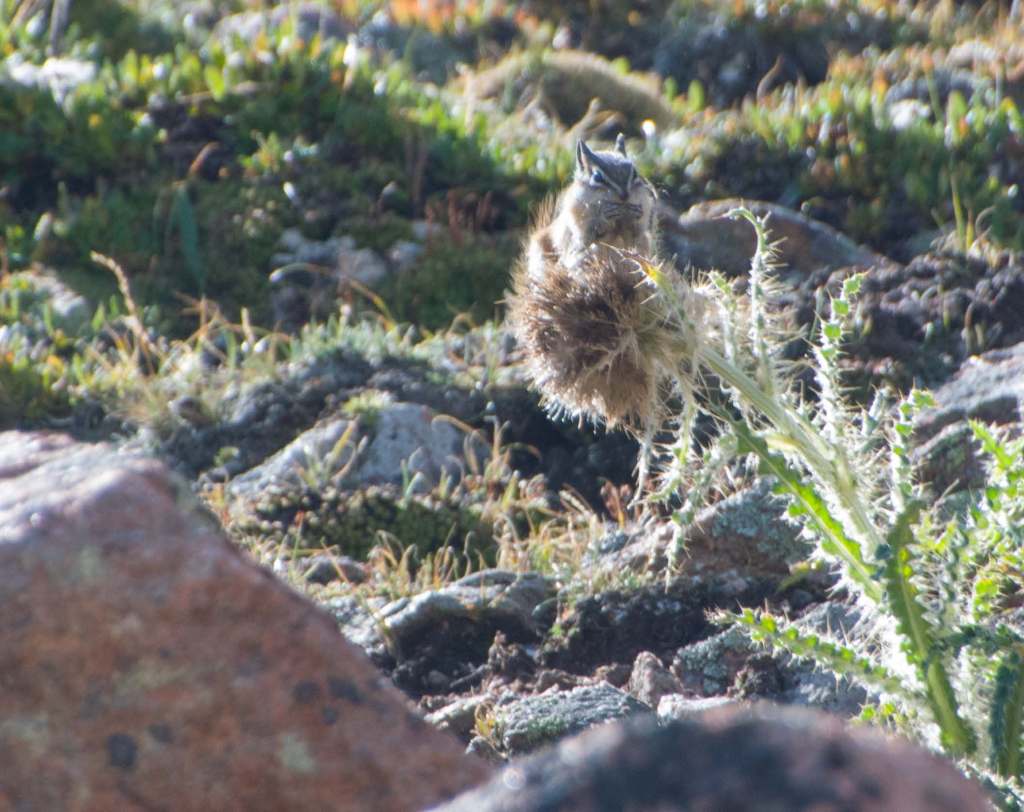
This chipmunk has just jumped up from the rock beneath it to land on the head of the thistle — the only part of the plant without massive spines. It’s reward is a meal of nutritious seeds. We have seen chipmunks at this site before, but never one as ambitious as this guy.
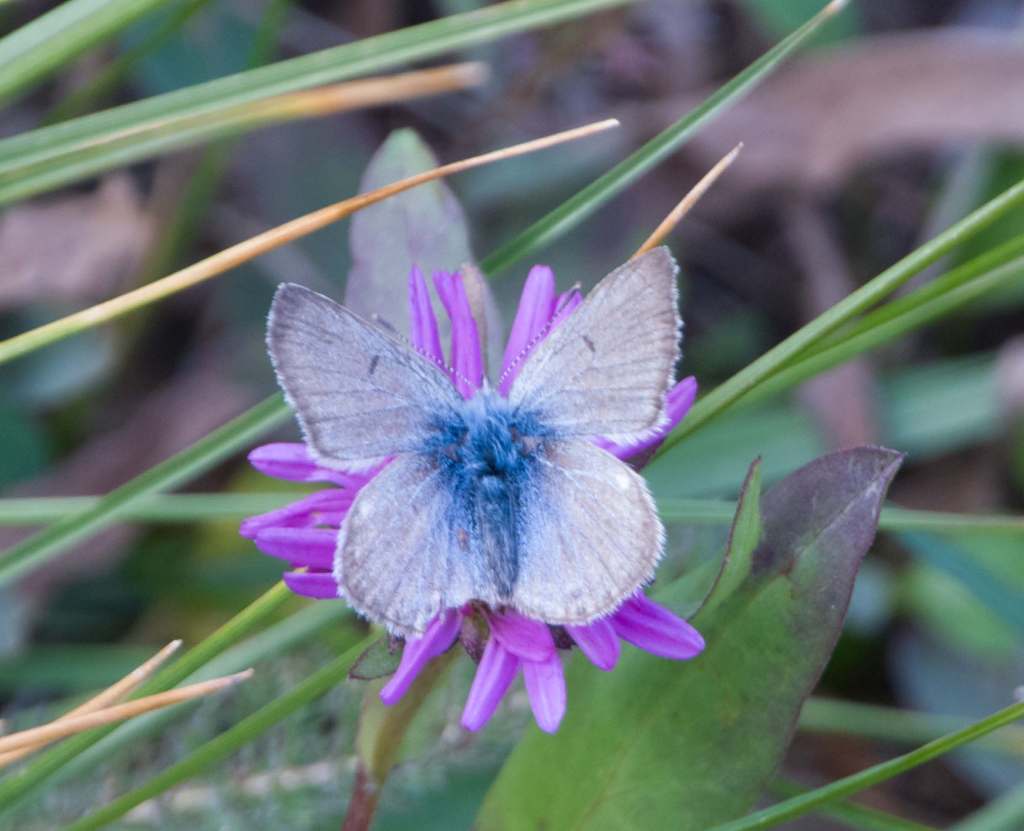
I think the butterfly is a silvery blue. It’s on a purple aster.

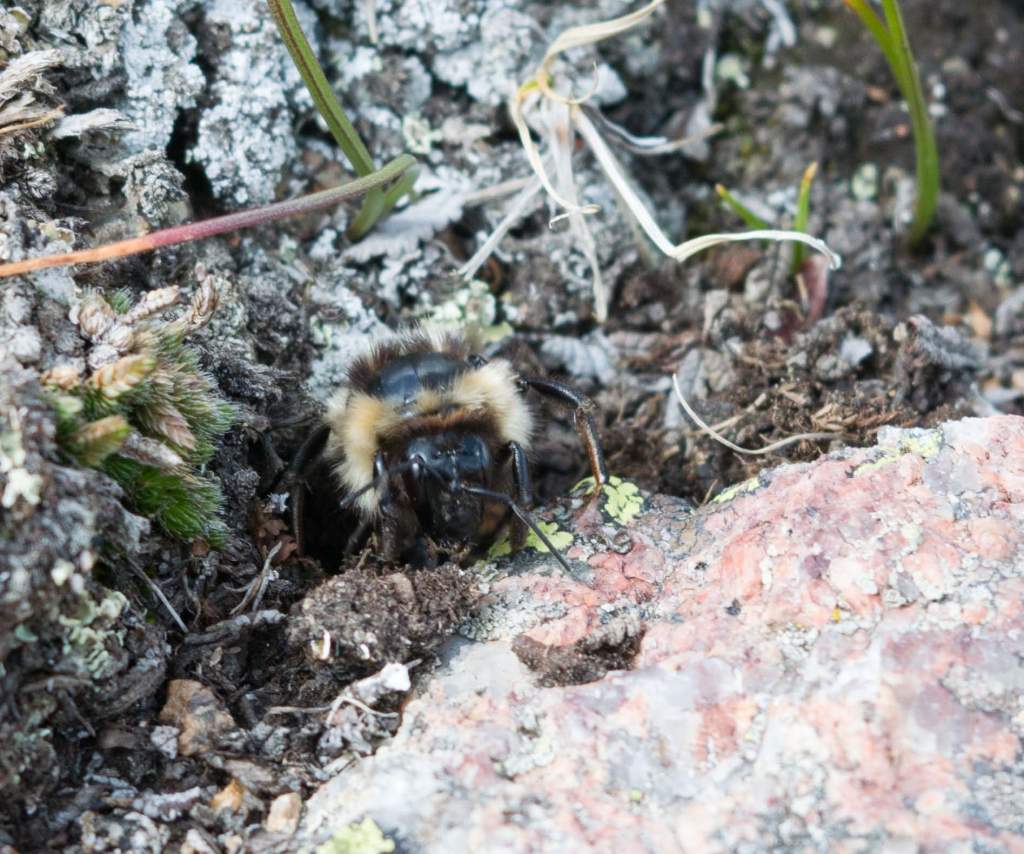
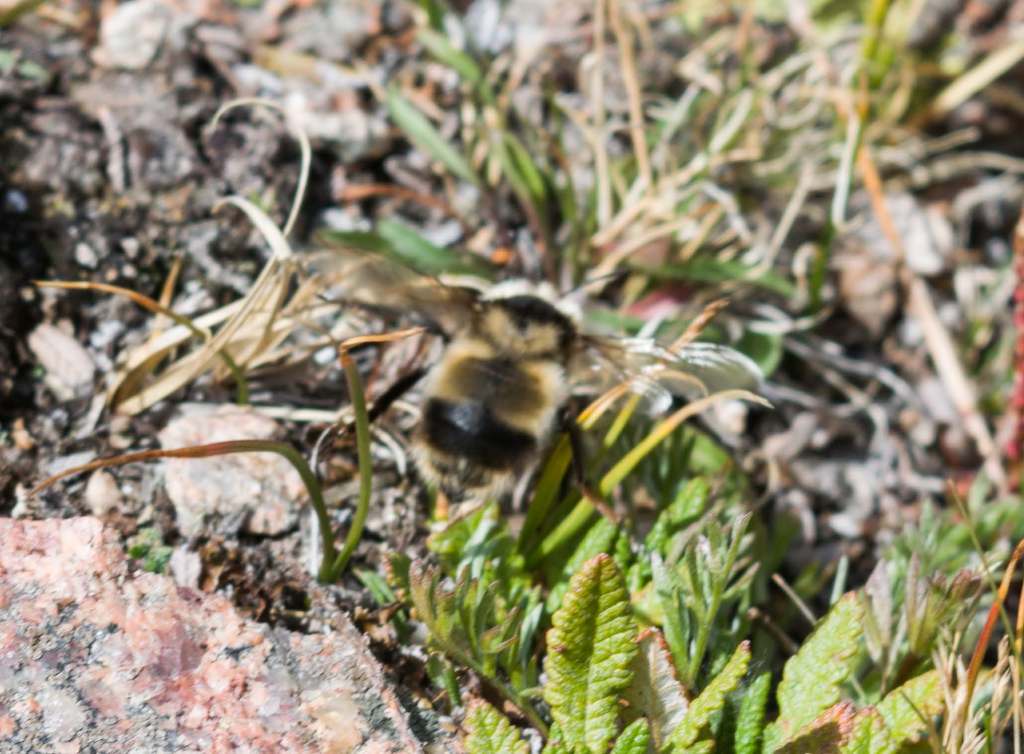
My husband spotted this bumblebee furiously digging a hole in the soil. It dug for a couple of minutes while we watched, then turned around and put it’s rear end into the hole. I assume that it was laying eggs. Then it came out, angrily shook itself and flew off. What is especially interesting is that I thought that bees couldn’t fly this high up. But here it was.
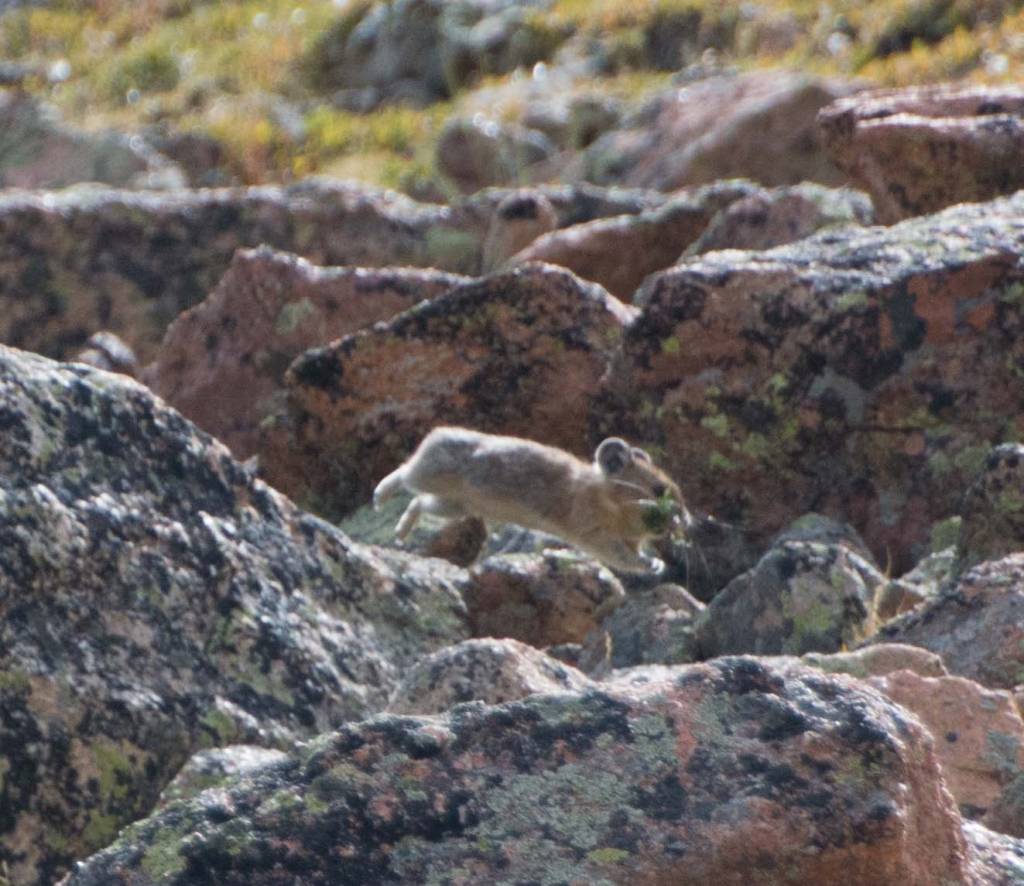

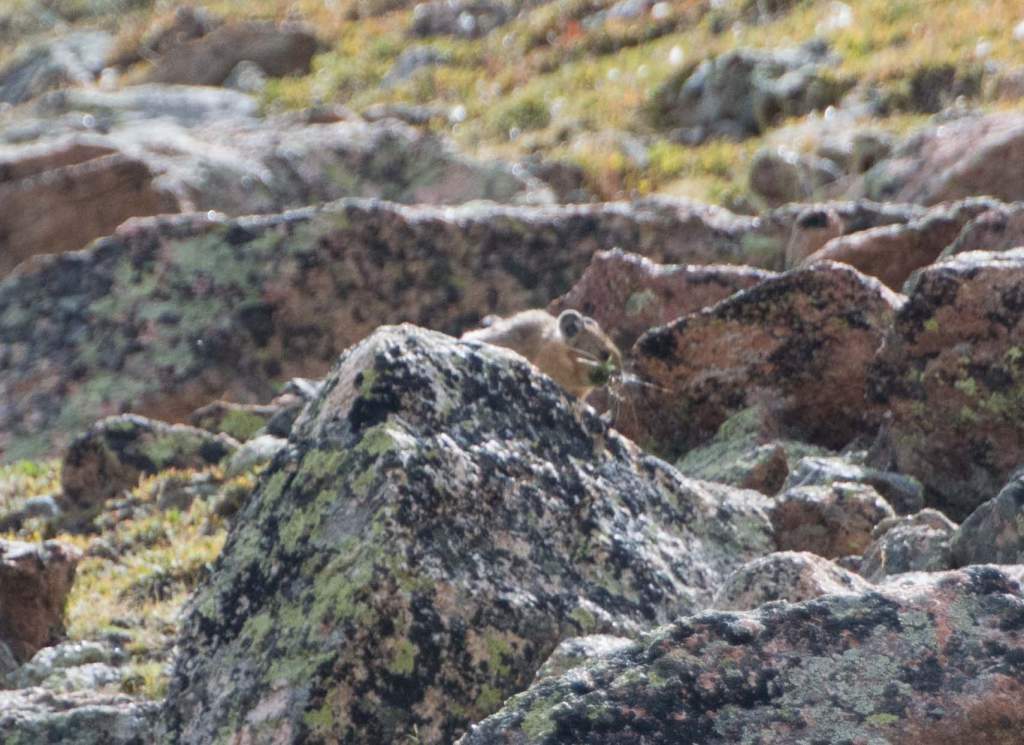
Some things remain the same — as usual, I took almost 200 photos of pika. Or I tried to. These little guys are so small and so fast and blend into the color of the rocks so well that by the time I spotted them, got my camera aimed and took the photo, they were long gone. So mostly what I got were about 150 photos of rocks where they just were, 30 photos of blurs and a handful that I felt were worth sharing.
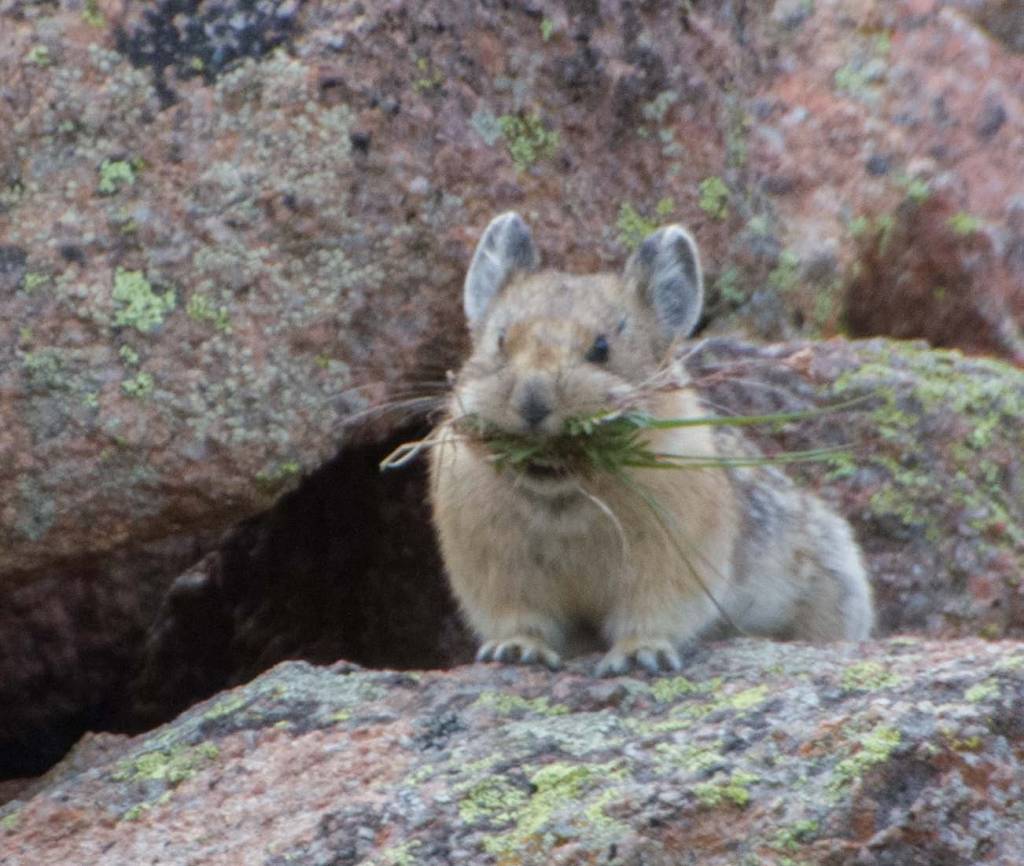
I’ve always wanted a good shot of a pika with plants in its mouth. This is my best so far. I have renewed respect for photographers who actually manage this shot.
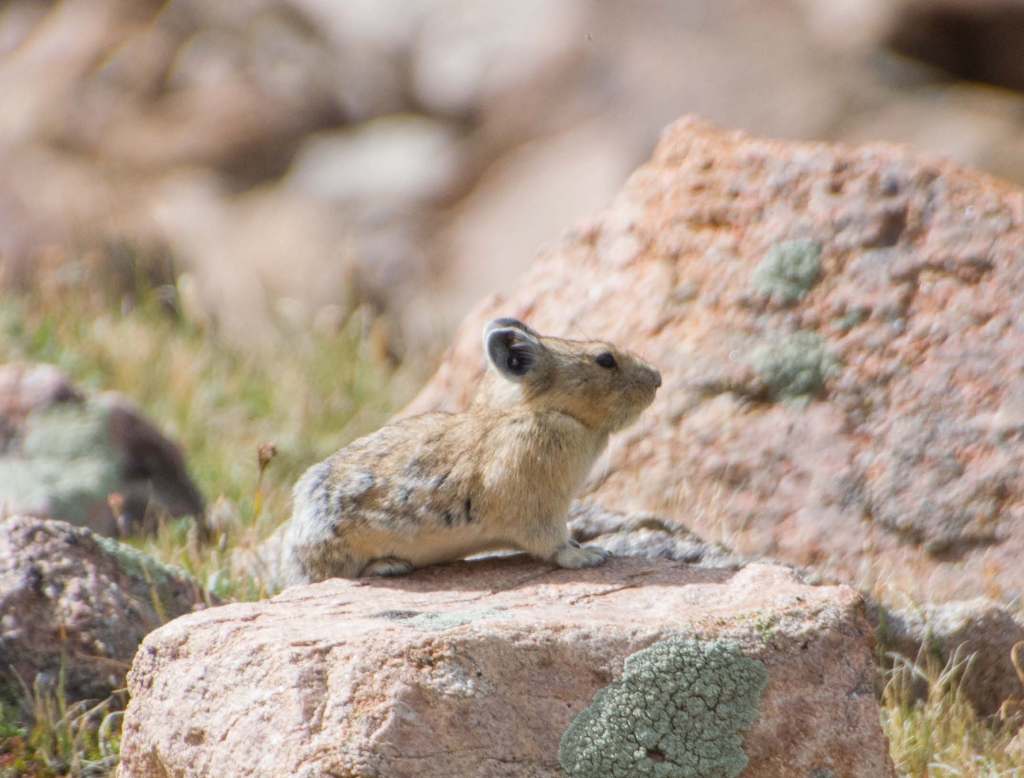
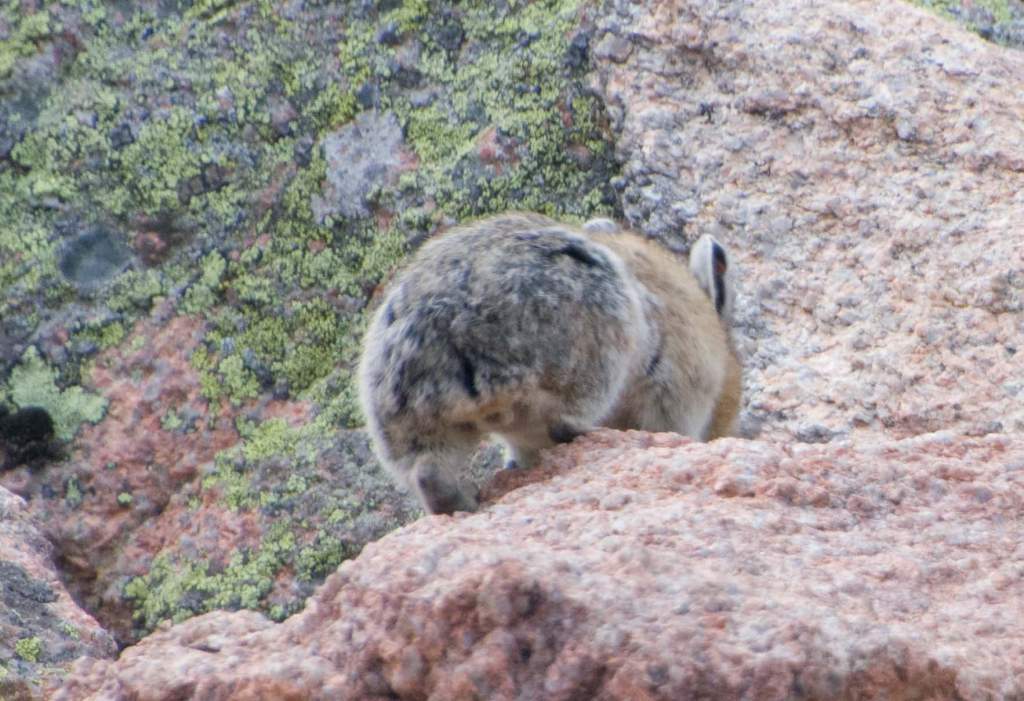
You can really see that pikas are related to rabbits in this photo.

Indian paintbrush grows tall with this boulder for protection, but this is also as high in elevation — 11,600 feet — as you’re likely to see it. The growing season further up is just too short.


Mountain dryad, on the left, and stonecrop, on the right were two flowers we hadn’t seen open before. These plants are only a couple of inches tall. They don’t waste resources on trying to grow tall when they only have few months to flower and set seed. These are true alpine plants, which 0can grow all the way to the top of the mounains.
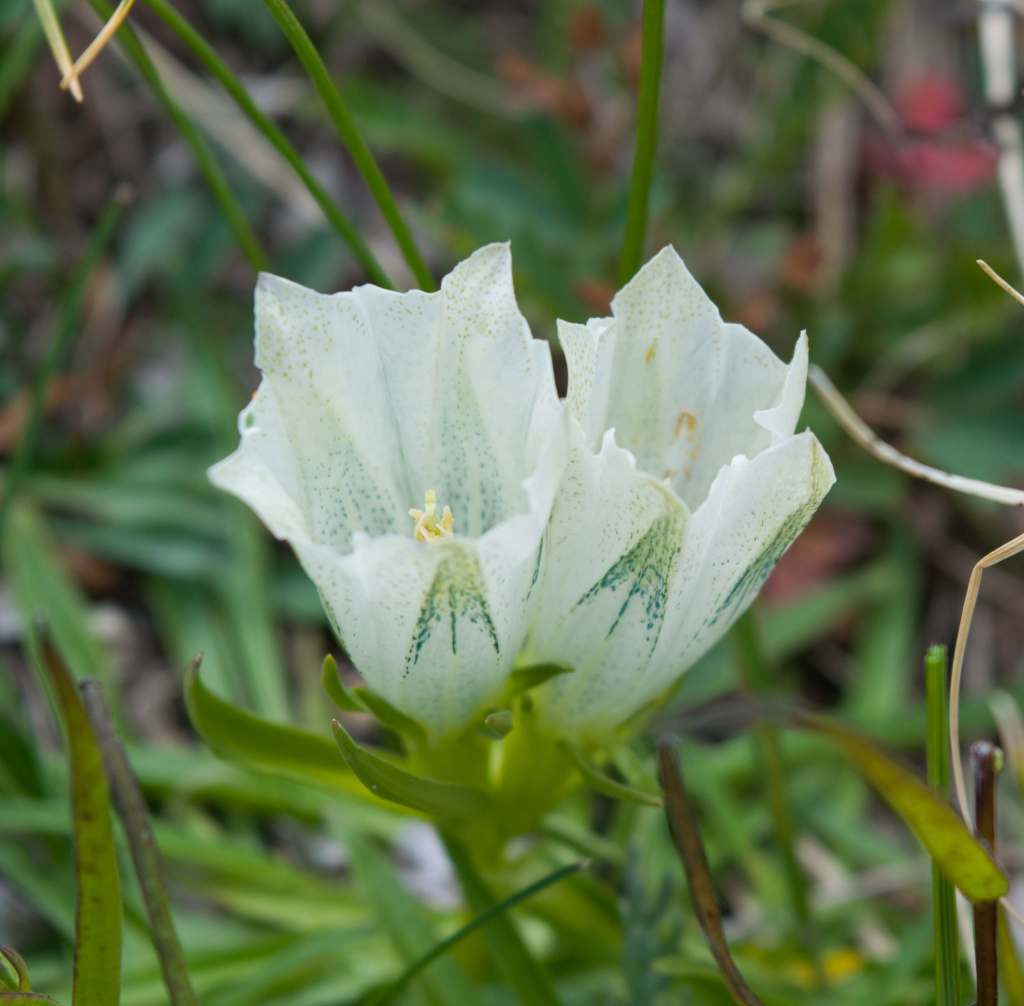

The flowers on the left are arctic gentians, again new to us at this site. On the right is a pleated gentian. Again, these plants are only a few inches tall, with surprisingly big flowers. The flowers only opened up in the heat of the day — above about 60 degrees — so we only saw them as we started back down.
And that’s all for now!


 Amy Law, Science Geek
Leave a comment